Korean Bibimbap
Highlighted under: Modern World Food Favorites
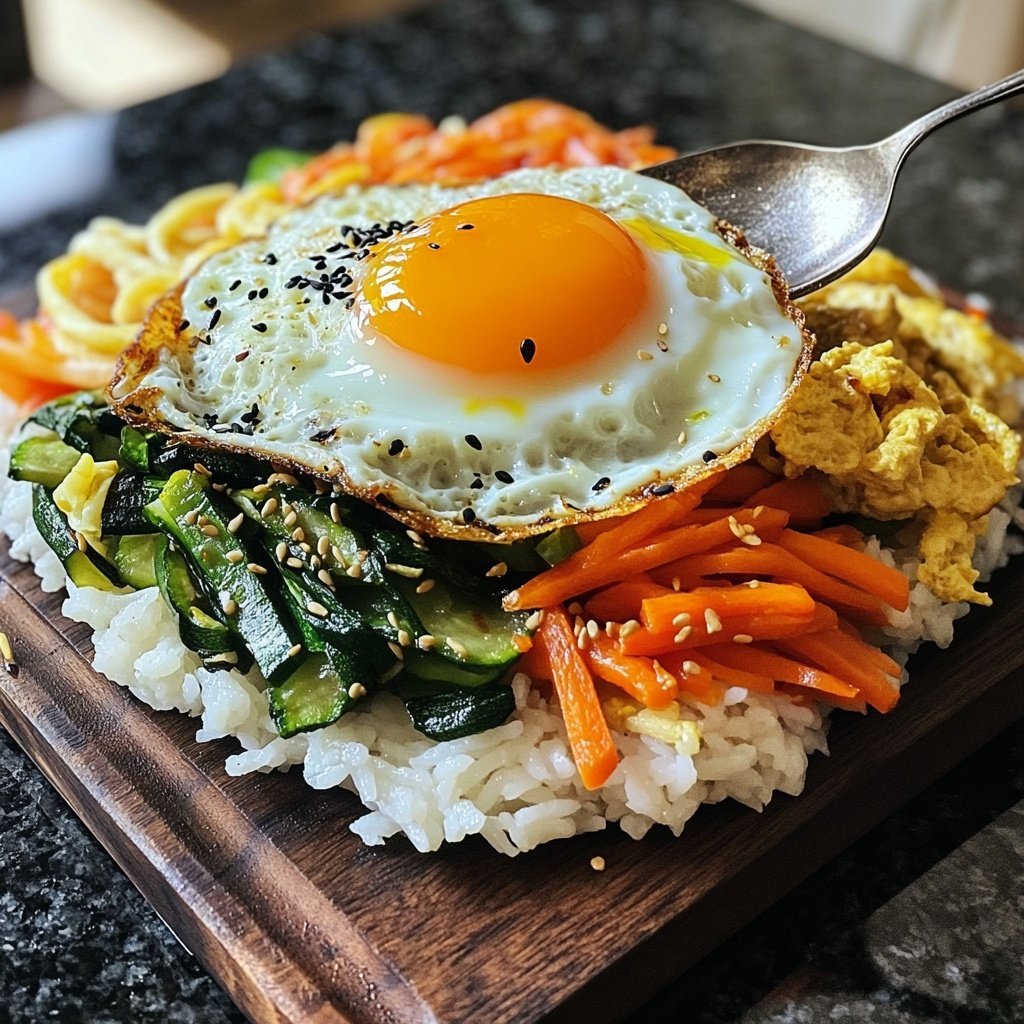
Korean Bibimbap is a vibrant and flavorful dish that brings together a variety of ingredients in a harmonious bowl. This traditional Korean recipe is not only visually appealing but also packed with nutrition and taste.
Korean Bibimbap is more than just a meal; it's a celebration of flavors and textures. Originating from Korea, this dish combines rice with assorted vegetables, meat, and a fried egg, all topped with a spicy gochujang sauce. It's a complete meal that’s both satisfying and nutritious.
Why You Will Love This Recipe
- A colorful array of fresh vegetables and toppings
- Rich and savory flavors that excite your palate
- Customizable with your choice of proteins and veggies
The Essence of Bibimbap
Bibimbap, which translates to 'mixed rice,' is a quintessential Korean dish that exemplifies the harmony of flavors and textures. Traditionally enjoyed as a meal that combines various ingredients, bibimbap celebrates the seasonal vegetables found in Korean cuisine. This dish not only nourishes the body but also delights the senses with its vibrant colors and aromatic appeal.
The beauty of bibimbap lies in its versatility. You can customize it according to your preferences, adding your favorite proteins like beef, chicken, or tofu, along with a variety of fresh vegetables. Each ingredient contributes to the dish's overall flavor profile, creating a symphony of tastes in every bite. This adaptability makes bibimbap an excellent choice for family dinners or gatherings with friends.
Nutritional Benefits
Korean bibimbap is not just a feast for the eyes; it's also a powerhouse of nutrition. The base of the dish—rice—provides a healthy source of carbohydrates, while the assortment of vegetables delivers essential vitamins and minerals. Spinach is rich in iron and antioxidants, carrots are loaded with beta-carotene, and zucchini adds hydration and fiber.
In addition to the vegetables, the inclusion of eggs adds a quality source of protein, making bibimbap a balanced meal. The gochujang sauce, with its fermented ingredients, also offers probiotic benefits. This combination of nutrients makes bibimbap a wholesome choice for any meal, ensuring you feel satisfied and nourished.
Serving Suggestions
Serving bibimbap can be a fun and interactive experience. Consider placing all the components in separate bowls, allowing everyone to customize their own bowl according to their taste. This not only enhances the dining experience but also encourages creativity in how each person builds their bibimbap.
For an extra layer of flavor, consider serving bibimbap with a side of kimchi or pickled vegetables. These fermented sides complement the dish beautifully, adding tanginess and crunch to every bite. Pairing bibimbap with a refreshing cucumber salad or miso soup can round out the meal, making it both satisfying and enjoyable.
Ingredients
Base Ingredients
- 2 cups cooked rice (preferably short-grain)
- 1 cup spinach, blanched
- 1 cup carrots, julienned
- 1 cup zucchini, julienned
- 1 cup bean sprouts
- 2 eggs
- 1 tablespoon sesame oil
- Salt to taste
For the Sauce
- 2 tablespoons gochujang (Korean chili paste)
- 1 tablespoon sesame oil
- 1 teaspoon sugar
- 1 tablespoon water
- 1 teaspoon sesame seeds
Feel free to add your favorite protein such as beef, chicken, or tofu for a heartier dish.
Instructions
Prepare the Vegetables
Blanch the spinach and sauté the carrots and zucchini in sesame oil until tender. Season with salt.
Cook the Eggs
In a non-stick pan, fry the eggs sunny-side up. Set aside.
Make the Sauce
In a small bowl, mix the gochujang, sesame oil, sugar, water, and sesame seeds until well combined.
Assemble the Bibimbap
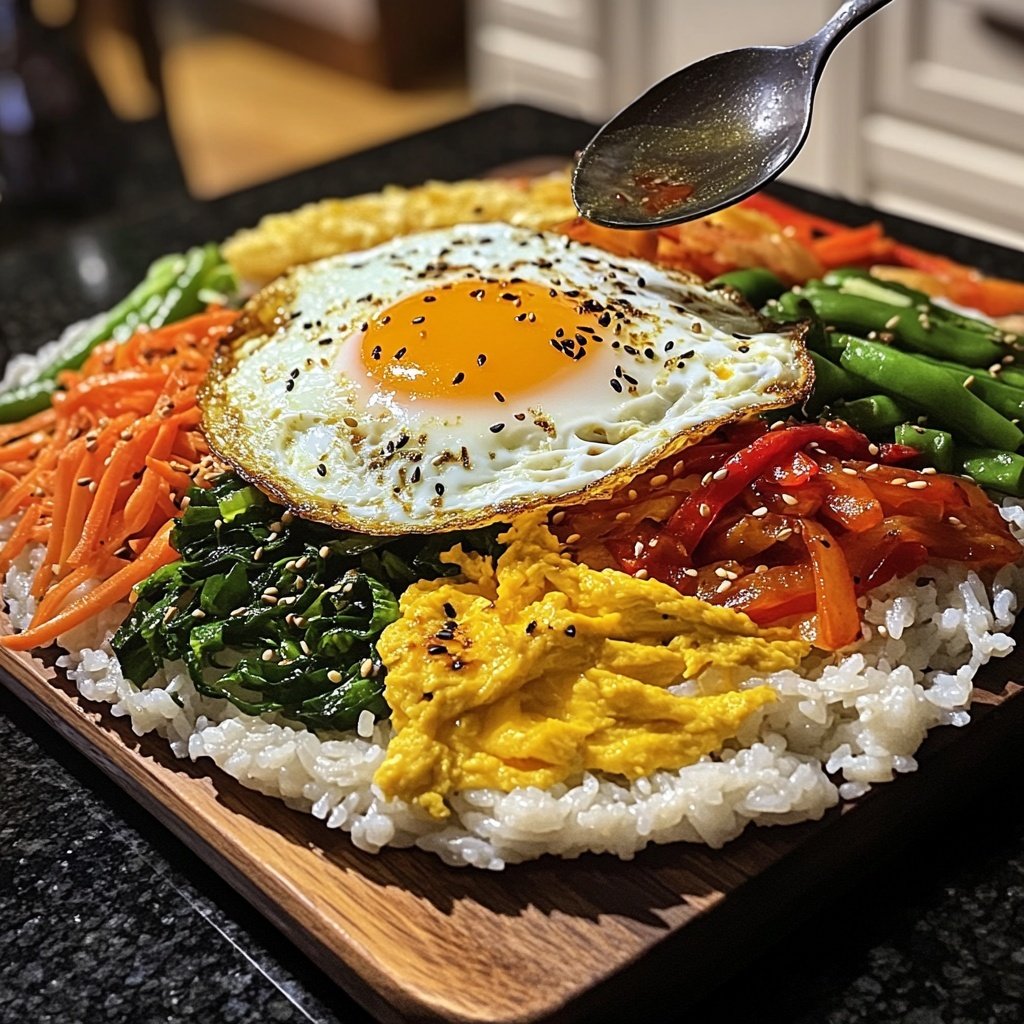
In a bowl, place a serving of rice and arrange the prepared vegetables and fried egg on top. Drizzle with the gochujang sauce before serving.
Mix everything together before eating to enjoy the full flavor of the dish.
Pro Tips
- For added protein, consider adding grilled chicken, beef, or tofu. You can also use any vegetables you have on hand, making this a versatile recipe.
Storage Tips
If you have leftovers, bibimbap can be stored in an airtight container in the refrigerator for up to three days. To reheat, simply warm the rice and vegetables in a pan over low heat, adding a splash of water to prevent sticking. Fry a fresh egg to top it off for a quick and delicious meal.
When storing, keep the sauce separate to maintain the integrity of the flavors. This will ensure that the dish stays fresh and vibrant when you enjoy it again. You can also prepare the individual components in advance, making it easy to assemble a quick meal any day of the week.
Variations to Try
While traditional bibimbap features specific ingredients, feel free to experiment with variations to suit your taste. Try adding grilled chicken or shrimp for a protein boost, or substitute brown rice for a whole grain option. You can also incorporate seasonal vegetables like bell peppers or mushrooms for added flavor and nutrition.
For a vegetarian or vegan twist, consider using tofu marinated in soy sauce and sesame oil, or even tempeh as a protein source. The possibilities are endless, and customizing your bibimbap allows you to create a dish that reflects your personal taste and dietary needs.
Questions About Recipes
→ Can I make Bibimbap vegetarian?
Absolutely! Simply omit the meat and add more vegetables or tofu for protein.
→ What type of rice is best for Bibimbap?
Short-grain rice is traditionally used, but you can also use medium or long-grain rice if preferred.
→ Is Bibimbap gluten-free?
If you use gluten-free gochujang and soy sauce, Bibimbap can be gluten-free.
→ Can I prepare the ingredients in advance?
Yes, you can prepare the vegetables and sauce ahead of time for a quicker assembly at mealtime.
Korean Bibimbap
Created by: Beatrice Holloway
Recipe Type: Modern World Food Favorites
Skill Level: Intermediate
Final Quantity: 2 servings
What You'll Need
Base Ingredients
- 2 cups cooked rice (preferably short-grain)
- 1 cup spinach, blanched
- 1 cup carrots, julienned
- 1 cup zucchini, julienned
- 1 cup bean sprouts
- 2 eggs
- 1 tablespoon sesame oil
- Salt to taste
For the Sauce
- 2 tablespoons gochujang (Korean chili paste)
- 1 tablespoon sesame oil
- 1 teaspoon sugar
- 1 tablespoon water
- 1 teaspoon sesame seeds
How-To Steps
Blanch the spinach and sauté the carrots and zucchini in sesame oil until tender. Season with salt.
In a non-stick pan, fry the eggs sunny-side up. Set aside.
In a small bowl, mix the gochujang, sesame oil, sugar, water, and sesame seeds until well combined.
In a bowl, place a serving of rice and arrange the prepared vegetables and fried egg on top. Drizzle with the gochujang sauce before serving.
Extra Tips
- For added protein, consider adding grilled chicken, beef, or tofu. You can also use any vegetables you have on hand, making this a versatile recipe.
Nutritional Breakdown (Per Serving)
- Calories: 500 kcal
- Total Fat: 18g
- Saturated Fat: 3g
- Cholesterol: 215mg
- Sodium: 600mg
- Total Carbohydrates: 70g
- Dietary Fiber: 5g
- Sugars: 5g
- Protein: 15g